Our Methodology
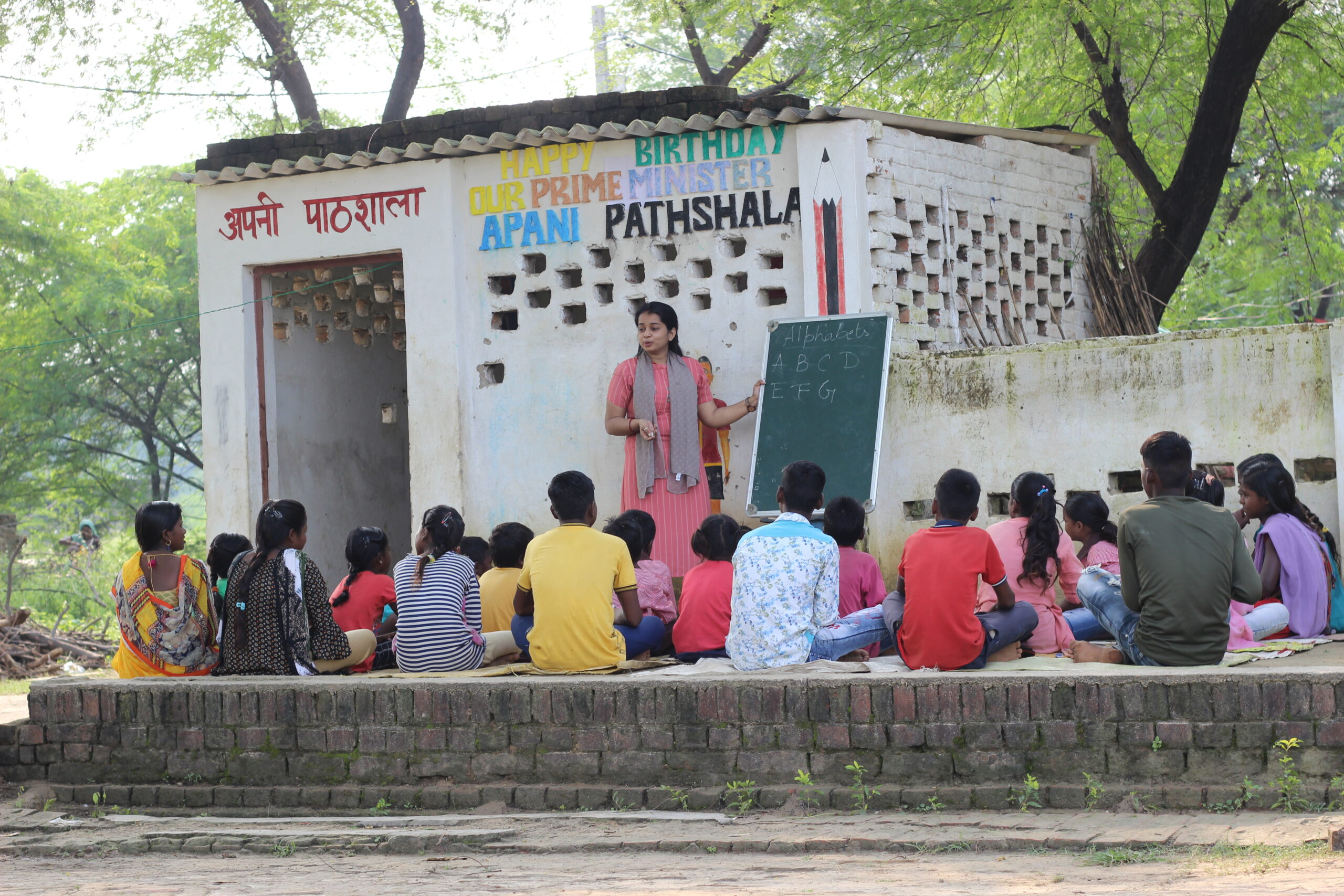
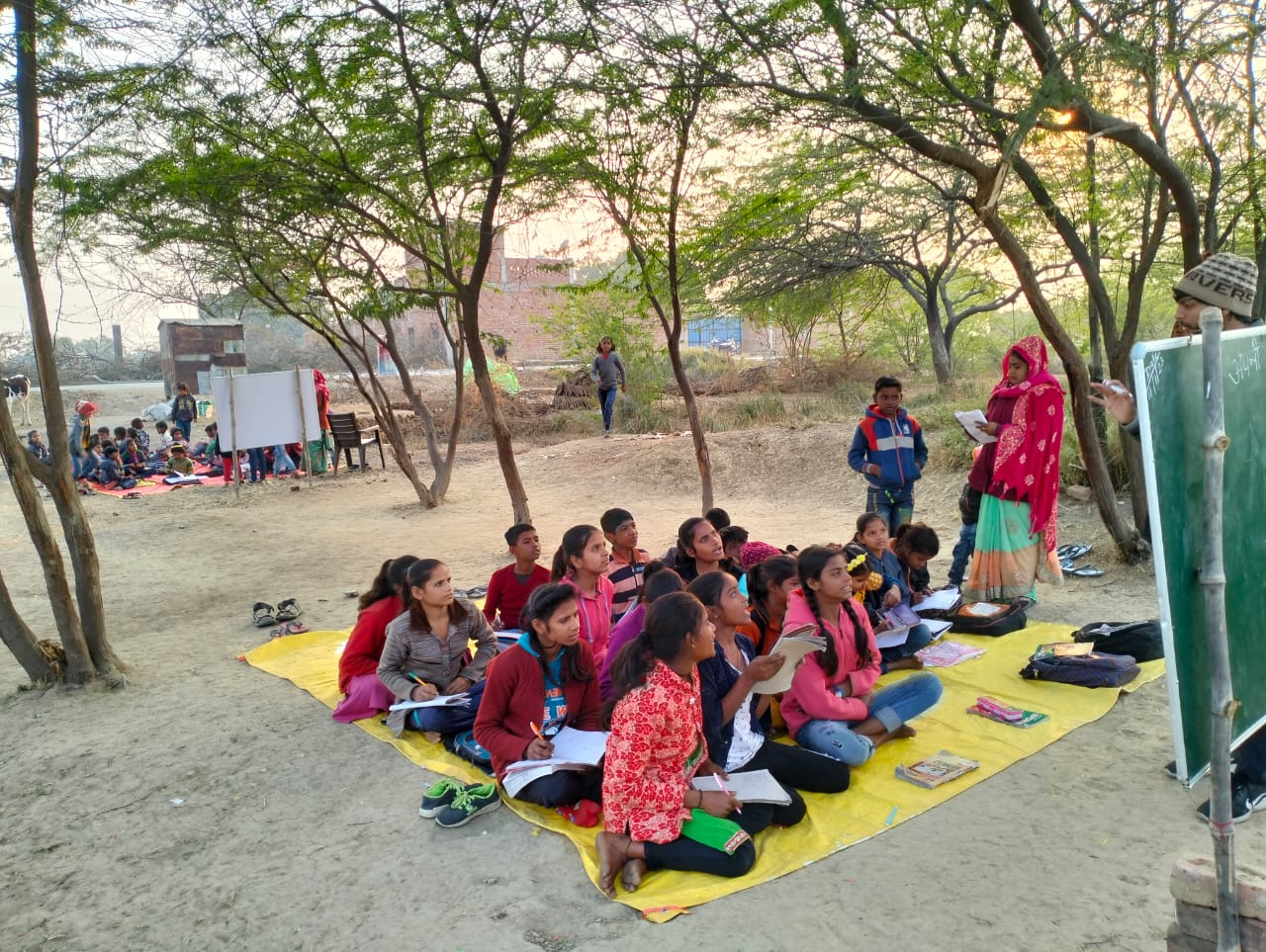
Apni Pathshala follows the SAMVAAD Learning Model — a child-centred, community-based and NEP 2020 aligned approach designed for open-air and low-resource learning environments.
Low Cost • High Impact • ReplicableThe SAMVAAD Learning Model focuses on experiential learning, foundational literacy and numeracy, joyful classrooms and strong community participation. Children learn through real-life contexts, activities, peer interaction and dialogue rather than rote memorisation.
S – Situational Learning
Learning is connected to daily life, local environment, family and community experiences.
A – Activity-Based Learning
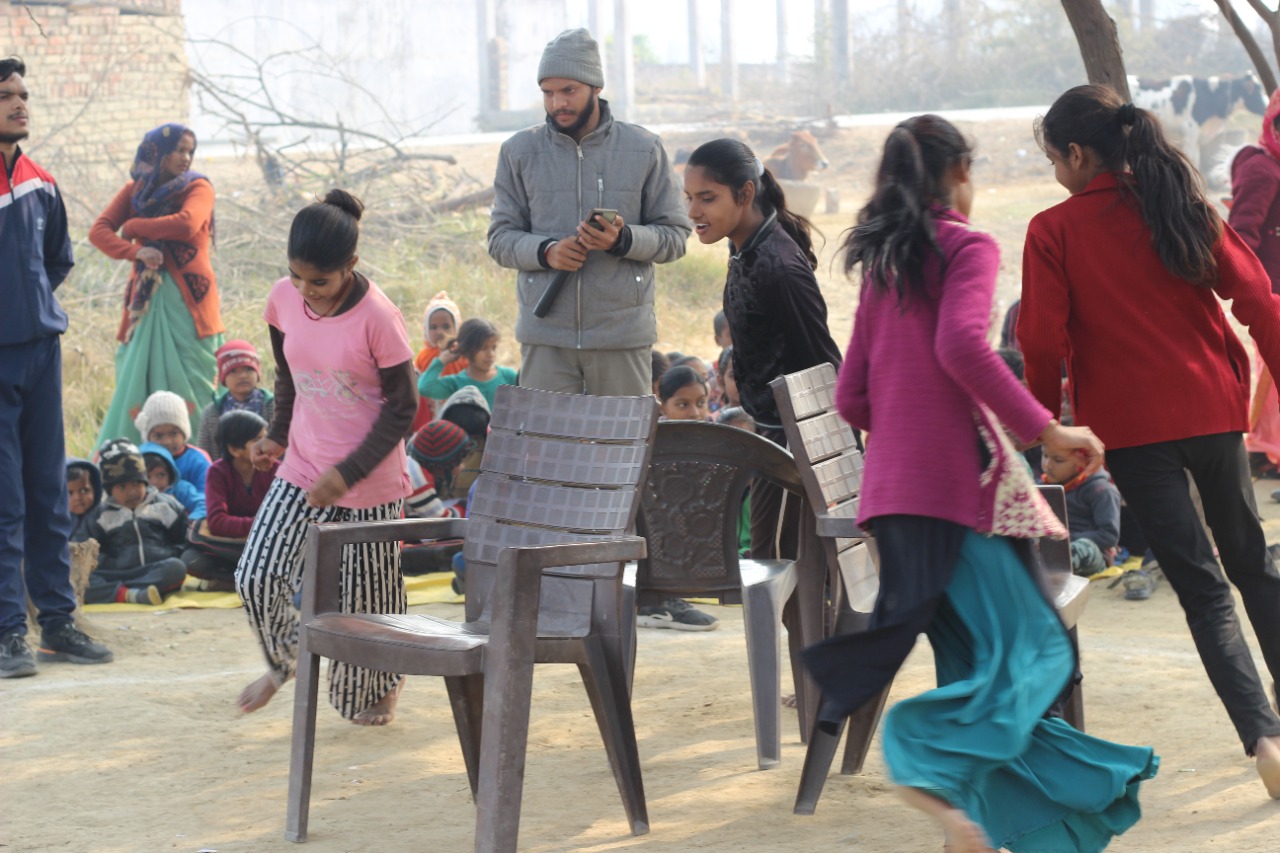
Hands-on activities, games, storytelling and group tasks form the foundation of every lesson.
M – Multi-Level Classrooms
Children are grouped by learning level rather than age, enabling inclusive and flexible teaching.
V – Value & Life Skills
Education integrates values such as respect, teamwork, gender equality and responsibility.
A – Assessment without Fear
Continuous observation and simple assessments replace exams, reducing stress and fear.
D – Dialogue with Community
Parents, volunteers and local youth actively participate in the learning ecosystem.
Our Child Education Program
Here are the key focus areas of our work:

Enrolment Of Children In School
Helping out-of-school children enrol and stay in school through community outreach and parent engagement.

Mass Awareness Drives
Mobilising communities to value education and support re-enrolment of dropouts through targeted awareness campaigns.

Support Classes For First-Generation Learners
Providing bridge and remedial classes to help children cope with formal schooling and build confidence.
Statistics About Child Education in India
Despite progress made in recent years and a large number of NGOs working for education in India, the below numbers highlight the urgent need to provide help for the education of children. Children are the building blocks of our nation, their future depends on us.
Our Key Initiatives for
Ensuring the
Right to Education
As one of the most trusted NGOs working for education in India, we are committed to providing help for the education of children. Every time you donate for child education, you give children a chance at a brighter future.
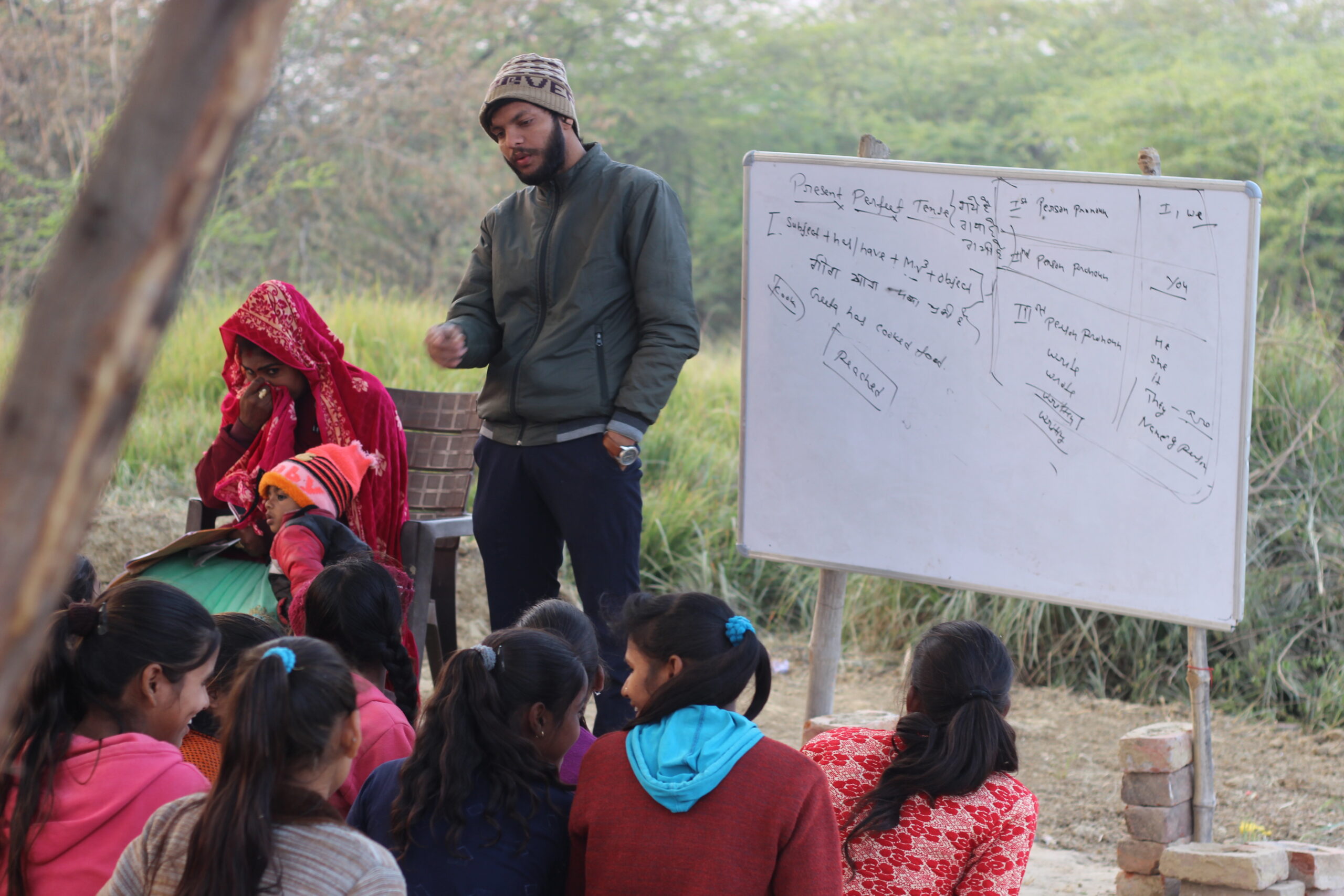
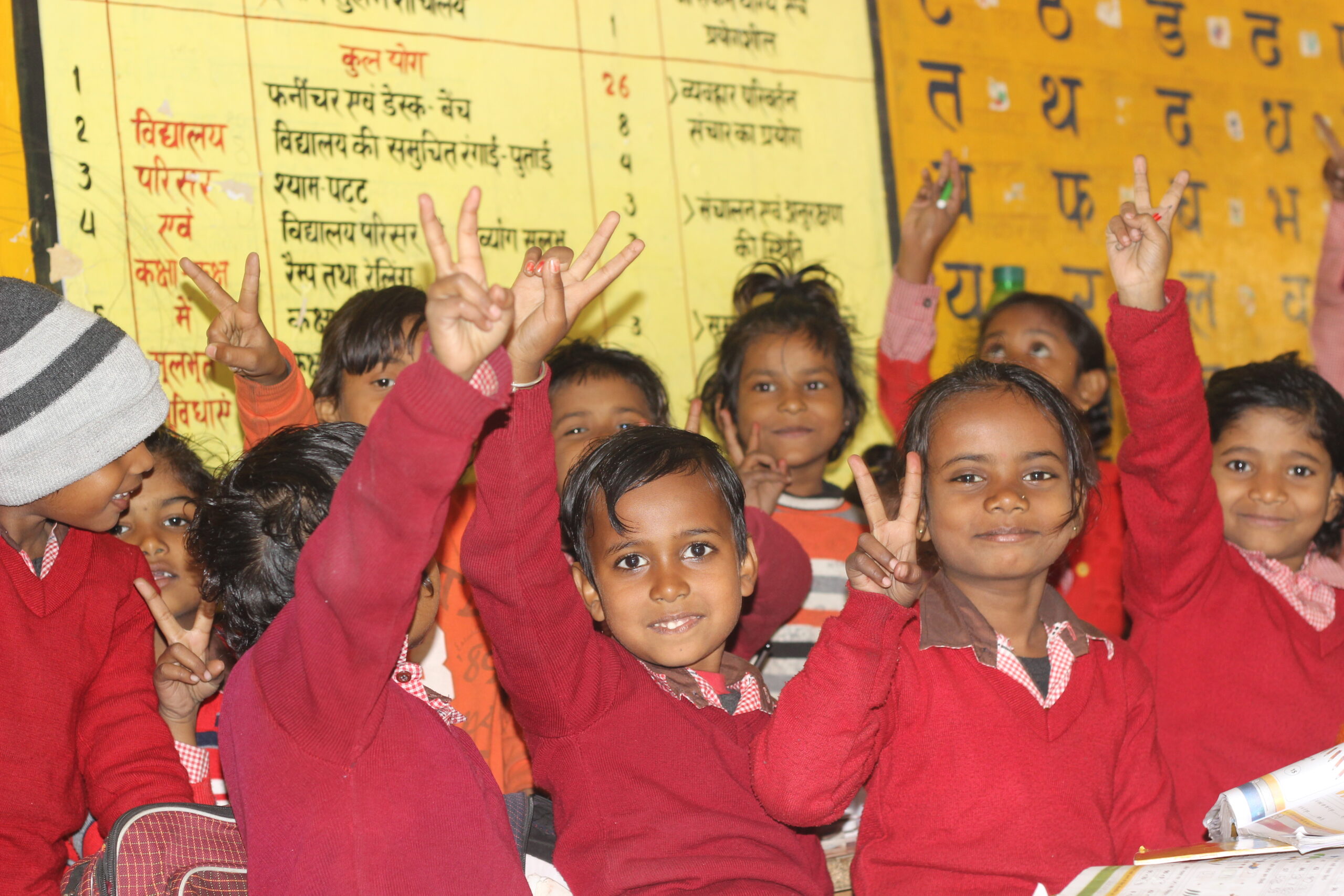
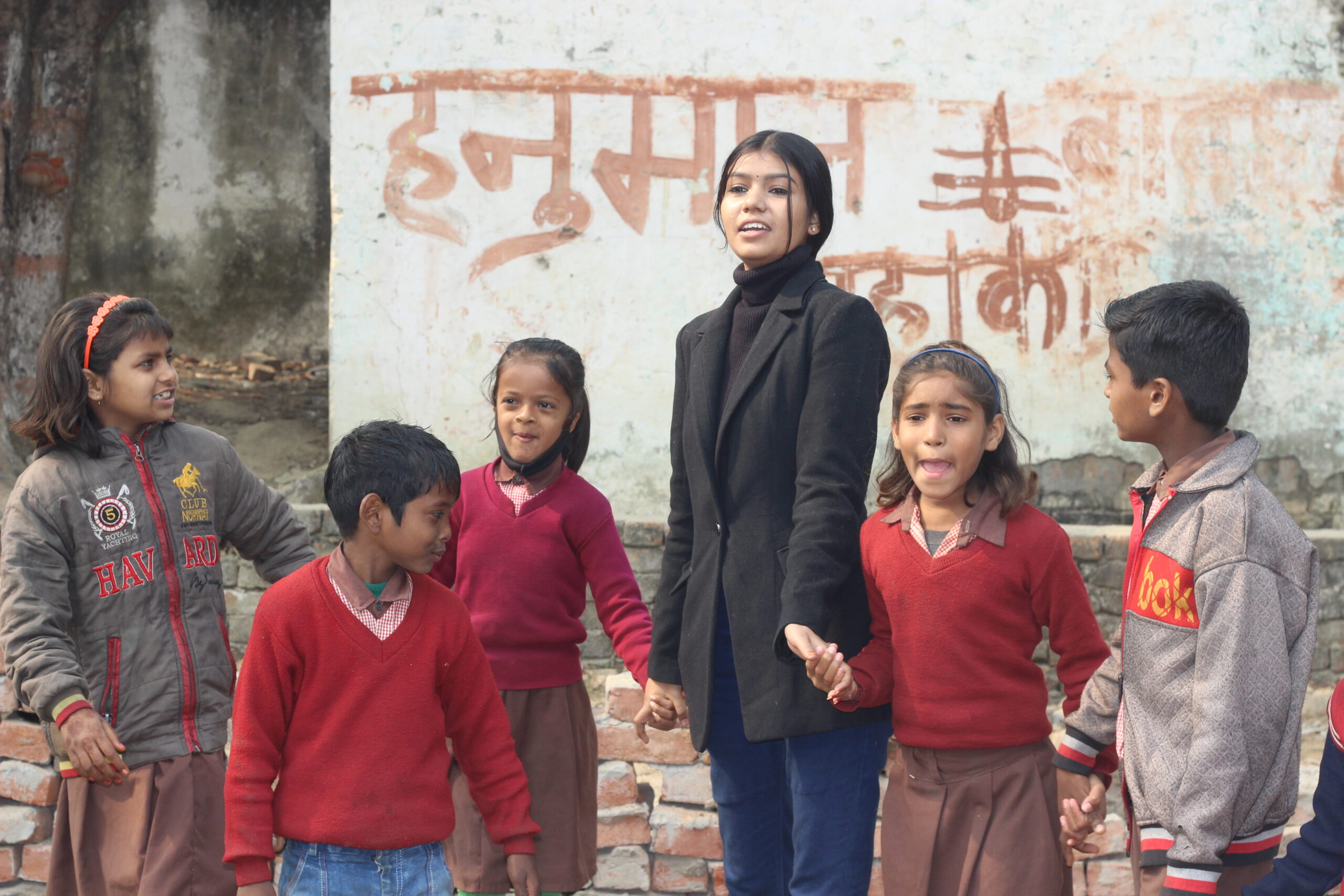
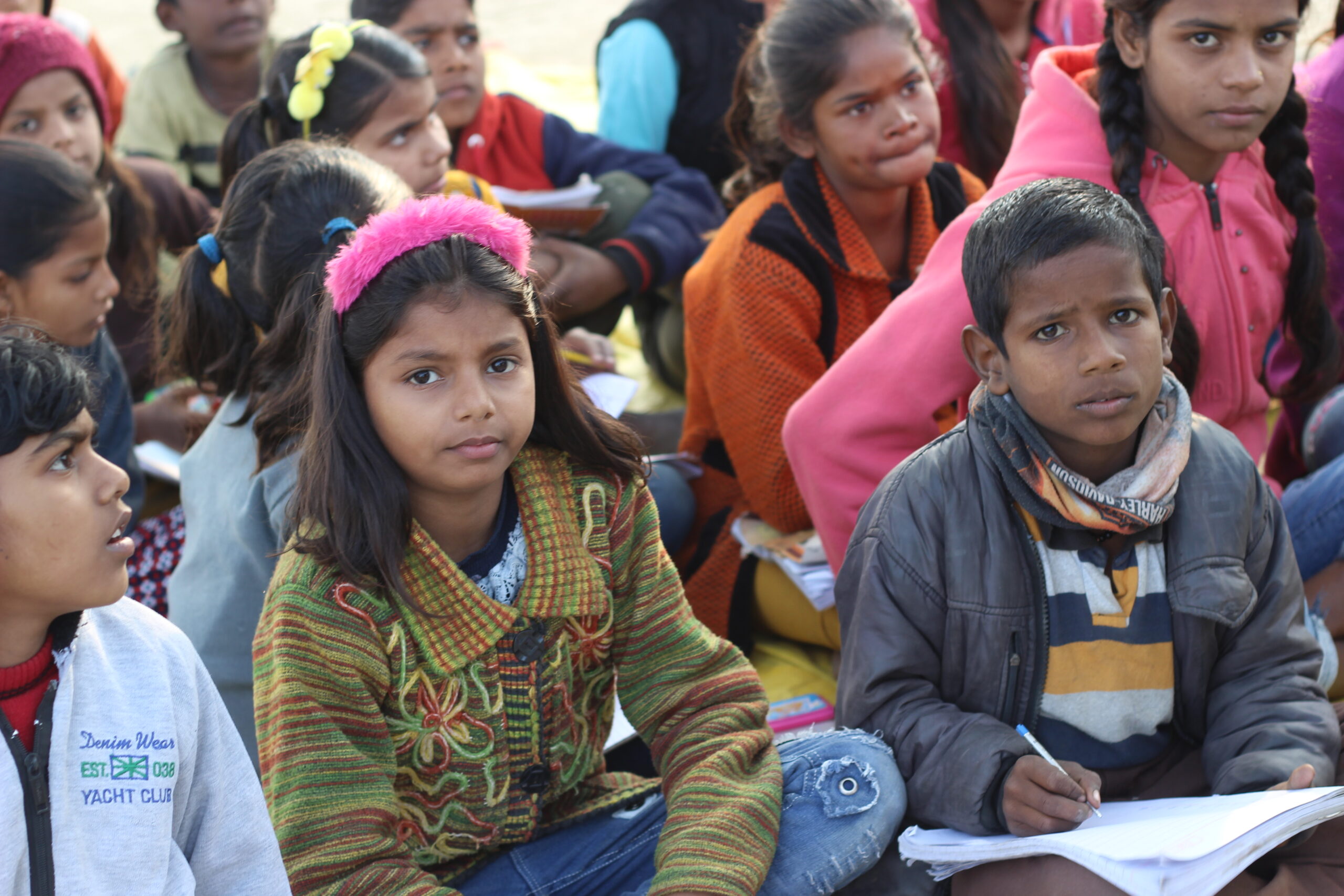
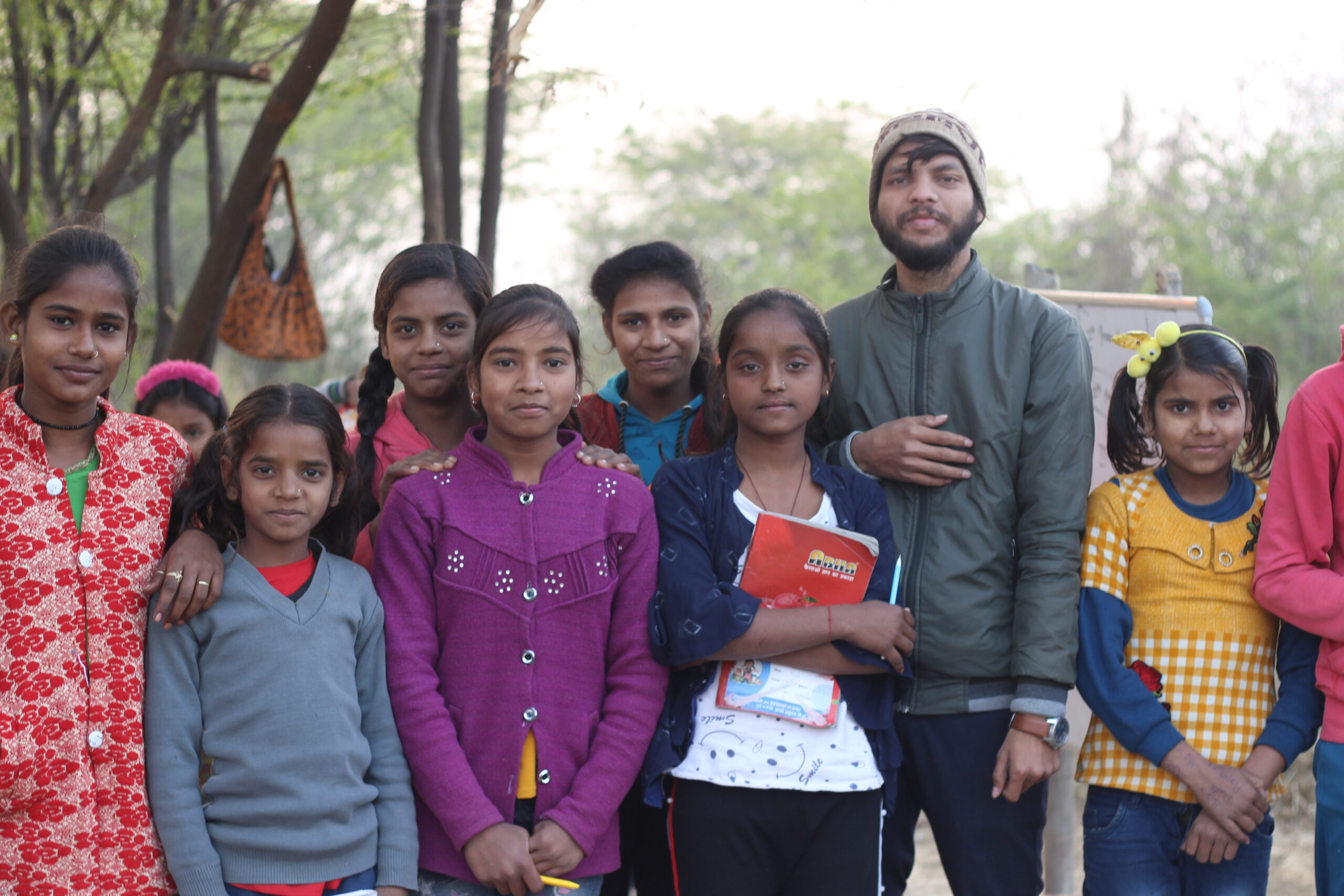
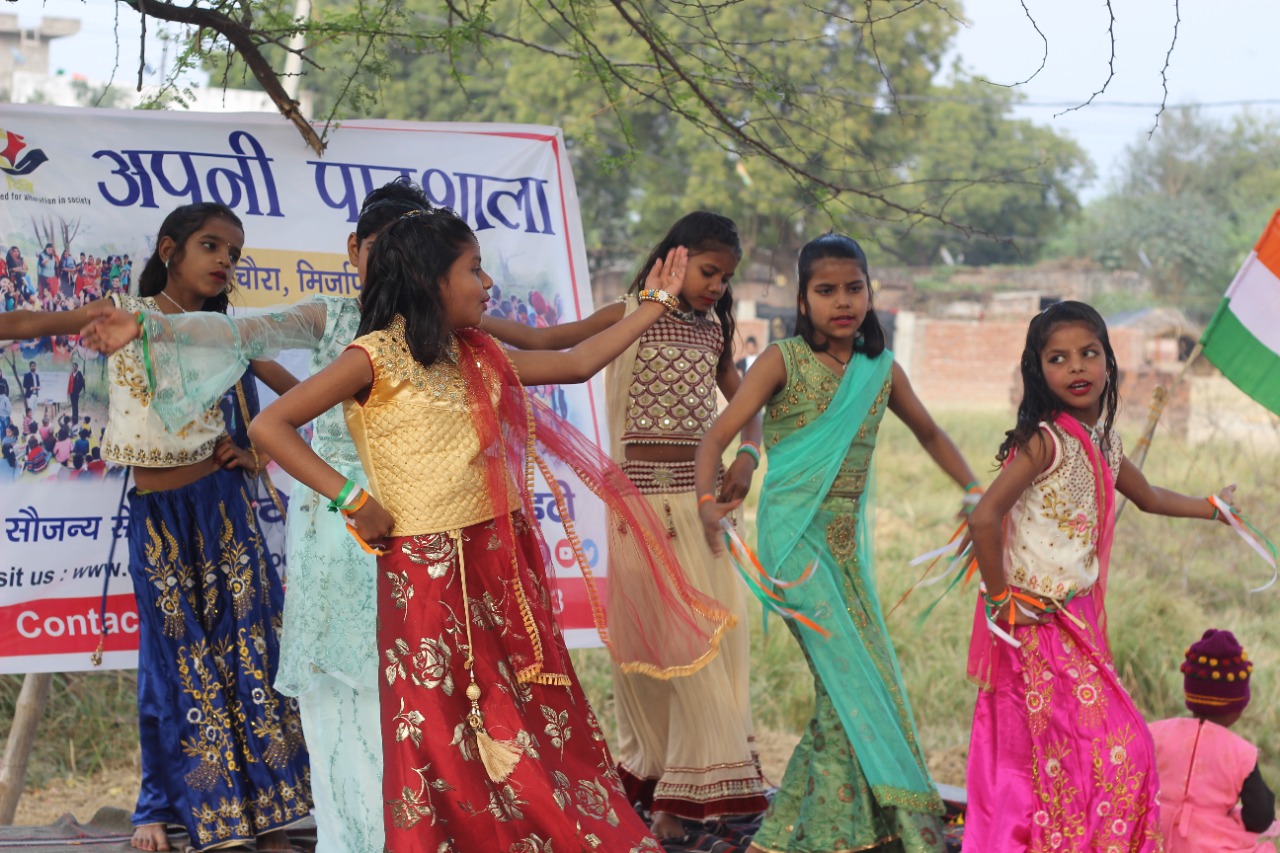
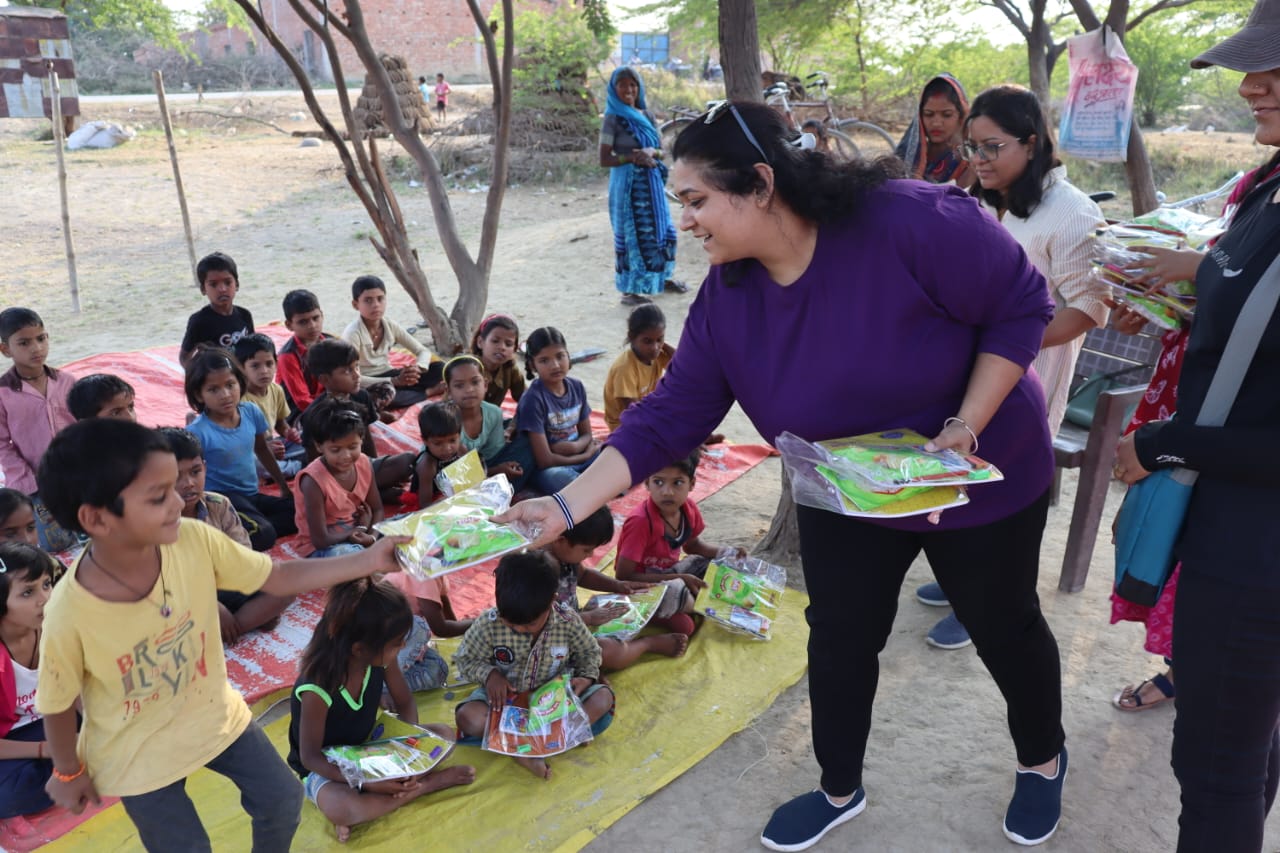
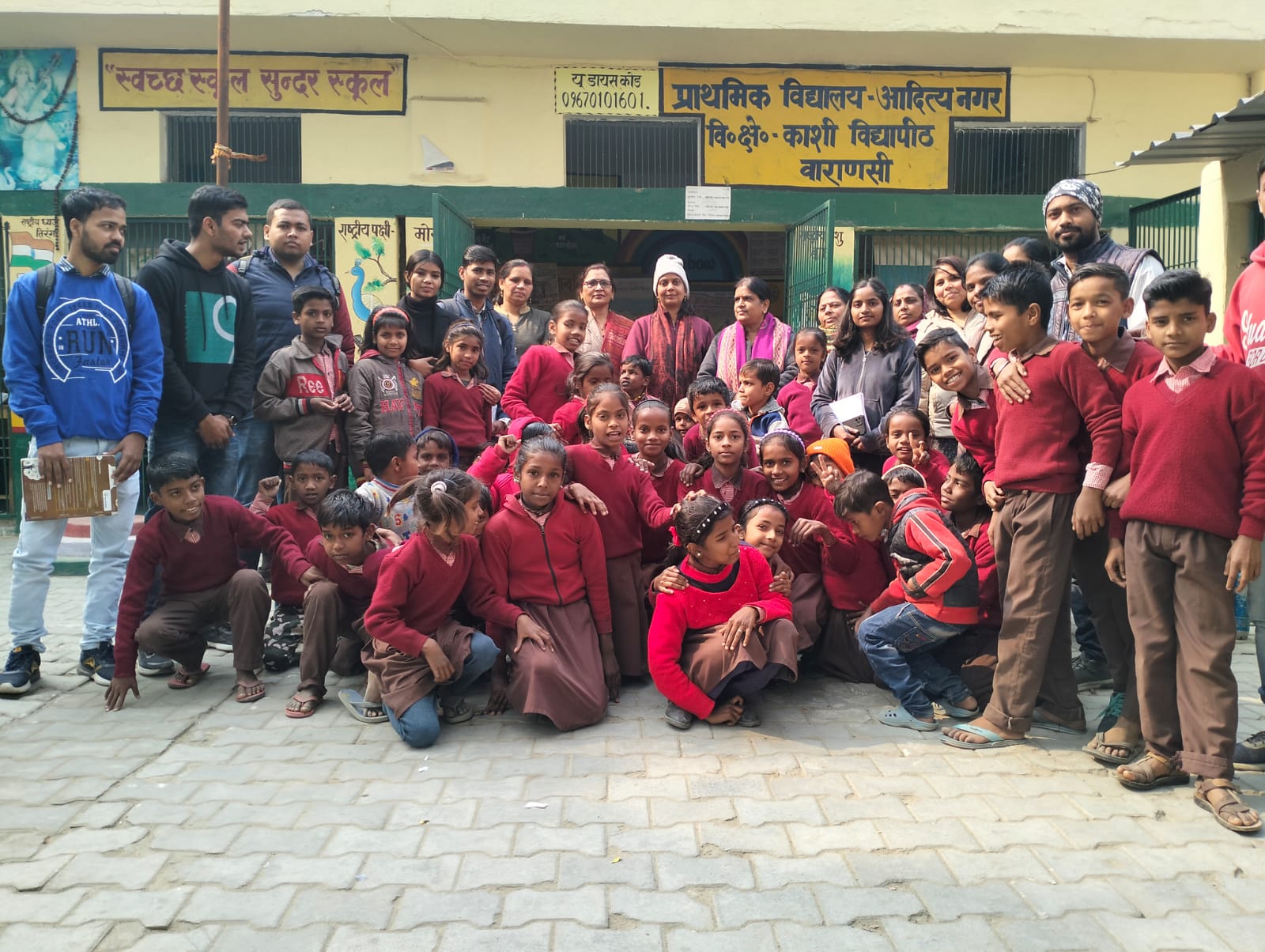
Pathshala Moments
Snapshots from our learning sessions, events, and joyful classrooms